When we think about building structures, we often focus on aesthetics, functionality, and design. However, one crucial aspect that is often overlooked is the structural stability in the face of natural disasters such as earthquakes. This is where seismic braces, also known as seismic braces or earthquake bracing, come into play. These devices play a critical role in ensuring that buildings can withstand the forces of seismic activity and protect the lives of the people inside.
seismic braces are essentially structural elements that are added to a building to help distribute seismic forces and minimize damage during an earthquake. These braces are typically made of steel or other strong materials and are strategically placed throughout the building to provide extra support and stability. By absorbing and dissipating the energy generated during an earthquake, seismic braces help prevent a building from collapsing or sustaining major damage.
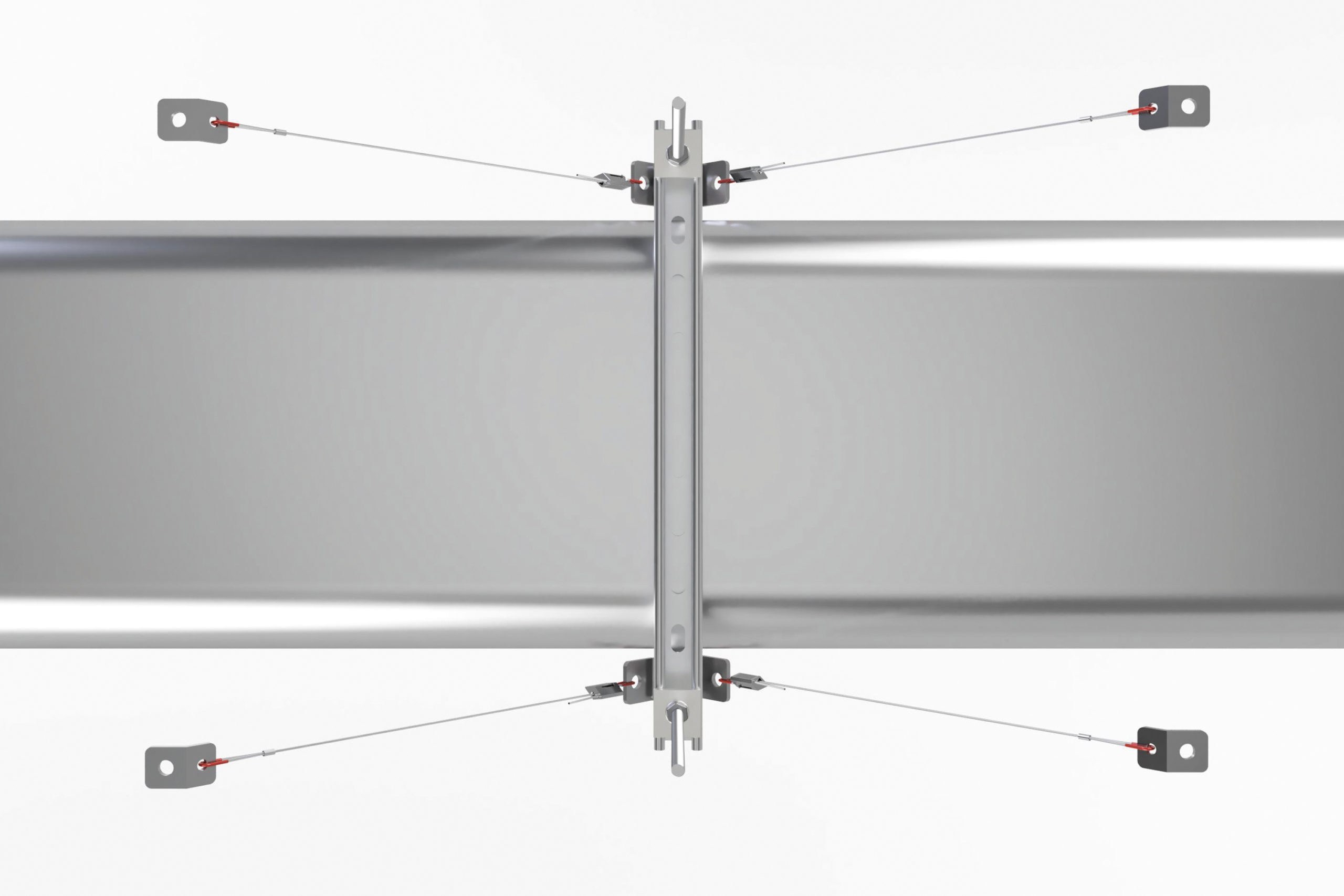
One of the key benefits of seismic braces is their ability to enhance the overall resilience of a building. By reinforcing the structure and improving its ability to withstand seismic forces, these braces can significantly reduce the risk of injury and death during an earthquake. In regions prone to seismic activity, such as California or Japan, seismic braces are often a necessary addition to building codes to ensure the safety of occupants.
seismic braces come in a variety of designs and configurations, depending on the type of building and the level of seismic risk. A common type of seismic brace is the diagonal brace, which is installed in a diagonal pattern between floors or walls to provide additional support and resistance to lateral forces. Another popular option is the moment frame, which consists of beams and columns that work together to resist seismic forces and keep the building stable.
In addition to protecting lives, seismic braces can also help prevent costly damage to buildings and infrastructure. The upfront cost of installing seismic braces may seem significant, but it is a worthwhile investment when compared to the potential cost of repairing or rebuilding a structure after an earthquake. By reducing the likelihood of structural damage, seismic braces can help save money in the long run and ensure that buildings remain safe and functional for years to come.
Furthermore, seismic braces can also have a positive impact on the environment. By improving the resilience of buildings and reducing the need for extensive repairs or reconstruction after an earthquake, these braces can help minimize the environmental impact of such natural disasters. This can lead to a more sustainable and resilient built environment that is better equipped to handle the challenges of a changing climate.
It is important to note that seismic braces are just one component of a comprehensive seismic retrofitting strategy. In addition to installing braces, building owners and managers should also consider other measures such as reinforcing walls and foundations, securing heavy furniture and equipment, and conducting regular inspections and maintenance. By combining these various strategies, buildings can be better prepared to withstand the forces of an earthquake and protect the people inside.
In conclusion, seismic braces play a crucial role in ensuring the structural stability and safety of buildings in earthquake-prone areas. By distributing seismic forces and reducing the risk of damage, these braces help protect lives, save money, and promote environmental sustainability. Building owners and managers should consider investing in seismic braces as part of a comprehensive seismic retrofitting strategy to help ensure the resilience of their structures in the face of natural disasters.